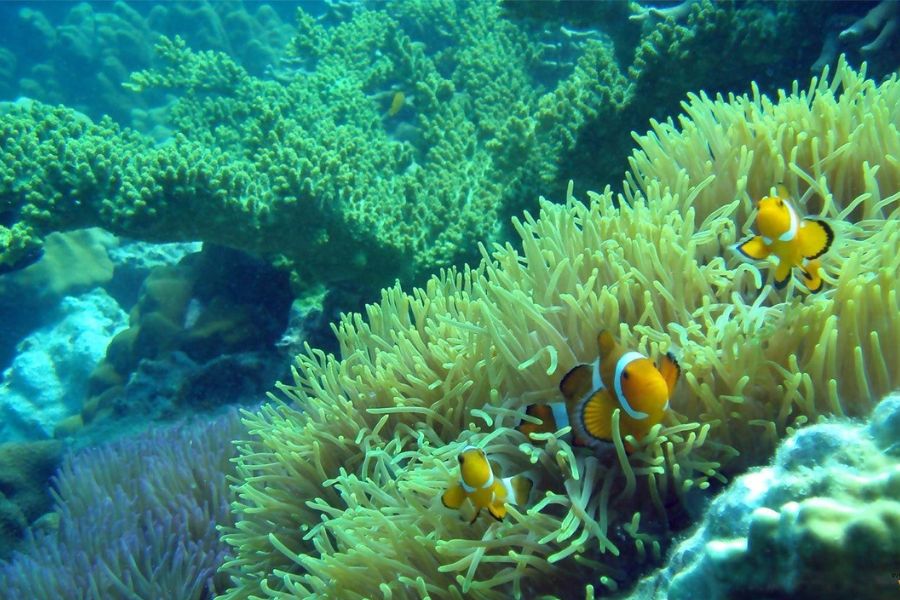
Coral Garden
This sheltered zone features a high density of soft and hard corals located on the eastern side of the reef.
Swim slowly to spot anemonefish hiding within the coral branches.

Pulau Payar Marine Park sits 30 kilometers south of Langkawi, Kedah's only gazetted marine protected area. The park closes Tuesday and Wednesday each week, a schedule most first-time visitors miss until they reach the jetty. This guide covers the logistics that determine whether you see thriving coral platforms or empty mooring buoys.
Quick answer
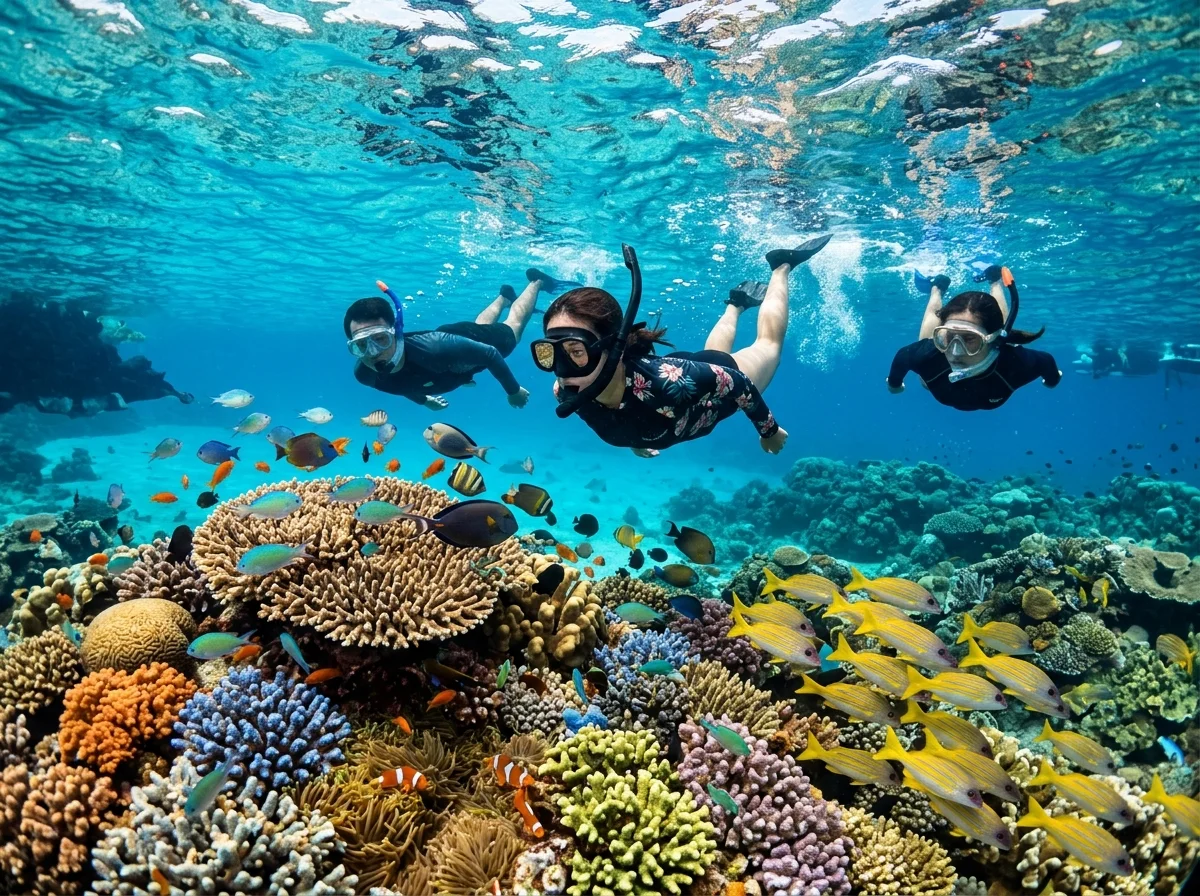
Snorkeling Langkawi Pulau Payar operates Thursday through Monday from 09:00 to 15:30, with a mandatory two-day closure on Tuesday and Wednesday for reef recovery. The Marine Parks Malaysia conservation charge is 30 MYR per adult. Arriving between 09:00 and 11:00 gives you optimal lighting and stable tidal conditions before afternoon currents shift visibility along the shallow coral gardens.
Pulau Payar became Malaysia's first designated marine park in 1985, protecting two square kilometers of hard coral formations that support over 200 fish species. The Tuesday-Wednesday closure cycle reduces visitor pressure on nursery zones where juvenile blacktip reef sharks and green turtles feed. Most tour operators from Langkawi run morning departures timed to the park's opening window, but the return journey requires leaving the platform area by mid-afternoon to avoid strong tidal currents through the Strait of Malacca. The conservation fee funds mooring buoy maintenance and reef monitoring programs managed by the Department of Marine Park Malaysia. Unlike open-water dive sites around Langkawi's outer islands, Pulau Payar restricts snorkeling to designated shallow zones marked by floating ropes. The coral platform extends roughly 15 meters from the visitor pontoon, with water depth ranging between two and four meters depending on tide phase. Visibility peaks during the dry season from November through March, when plankton levels drop and the Andaman Sea current brings clear water northward. The snorkeling area centers on a submerged reef shelf where table corals, brain corals, and staghorn clusters form feeding corridors for sergeant majors, parrotfish, and occasional hawksbill turtles. Guides stationed on the pontoon enforce no-touch rules and monitor swimmer distribution to prevent crowding over fragile coral heads. The marine park prohibits sunscreen containing oxybenzone and octinoxate, compounds that accelerate coral bleaching in enclosed reef systems. Visitors who arrive after 11:00 often encounter reduced visibility as sediment stirs from the seafloor during tidal exchange, particularly near the shallow eastern edge of the platform. Pulau Payar Marine Park represents a contained snorkeling environment rather than an open reef dive. The platform setup accommodates non-swimmers and families, but the experience depends on respecting the closure schedule and arriving within the optimal lighting window when the coral polyps are most active and fish behavior is undisturbed.
“The Tuesday-Wednesday closure cycle reduces visitor pressure on nursery zones where juvenile blacktip reef sharks and green turtles feed.”
The best arrival window is 09:00–11:00 to ensure optimal lighting for snorkeling and coral visibility before afternoon tidal changes affect water clarity. Visiting during this time frame provides the most stable conditions for underwater observation.
30–32°C; calm waters
Expect clear visibility and steady marine activity throughout these months.
28–30°C; potential chop
Visibility may fluctuate due to occasional rain, but crowds remain minimal.
—
Arrival between 09:00 and 11:00 offers the clearest water and avoids the heaviest ferry traffic.
Verdict: For the clearest water and fewest crowds, plan your visit for a weekday morning between December and February.
Pulau Payar Marine Park operates throughout the week, with the exception of Tuesdays and Wednesdays when the facility remains closed to visitors.
Pulau Payar Marine Park is located approximately 30 kilometers south of Langkawi. Access to the marine park requires authorized boat transport departing from Kuah Jetty.
Kuah Jetty to Pulau Payar
Travel to Kuah Jetty terminal
Visitors should arrive at Kuah Jetty between 09:00–11:00 to ensure optimal conditions for snorkeling and coral visibility before afternoon tidal changes.
Pulau Payar Marine Park encompasses several distinct zones characterized by diverse coral formations and marine life. These areas, including the vicinity near Pulau Dangli, offer varied underwater topography for snorkelers.
This sheltered zone features a high density of soft and hard corals located on the eastern side of the reef.
Swim slowly to spot anemonefish hiding within the coral branches.
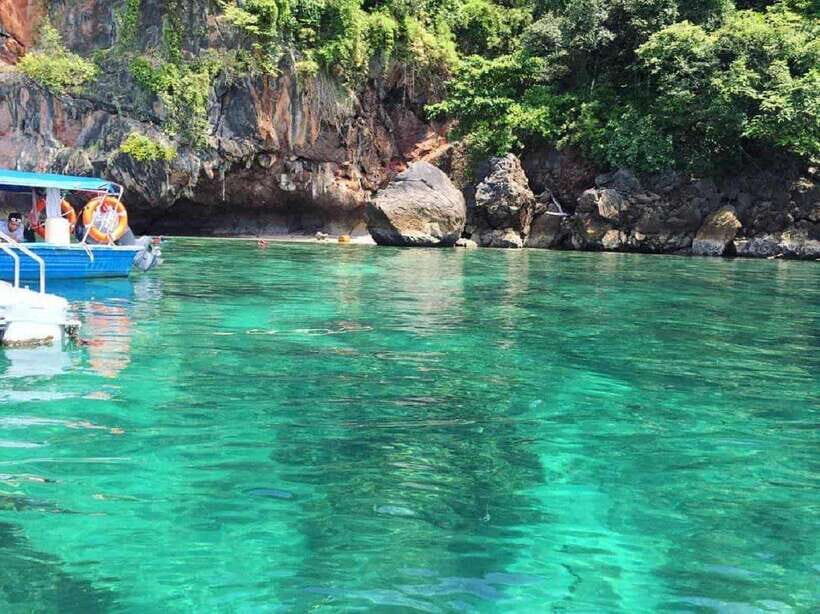
Located north of the main park, this site provides access to deeper waters and larger pelagic fish species.
Observe the reef edge where current brings nutrient-rich water.
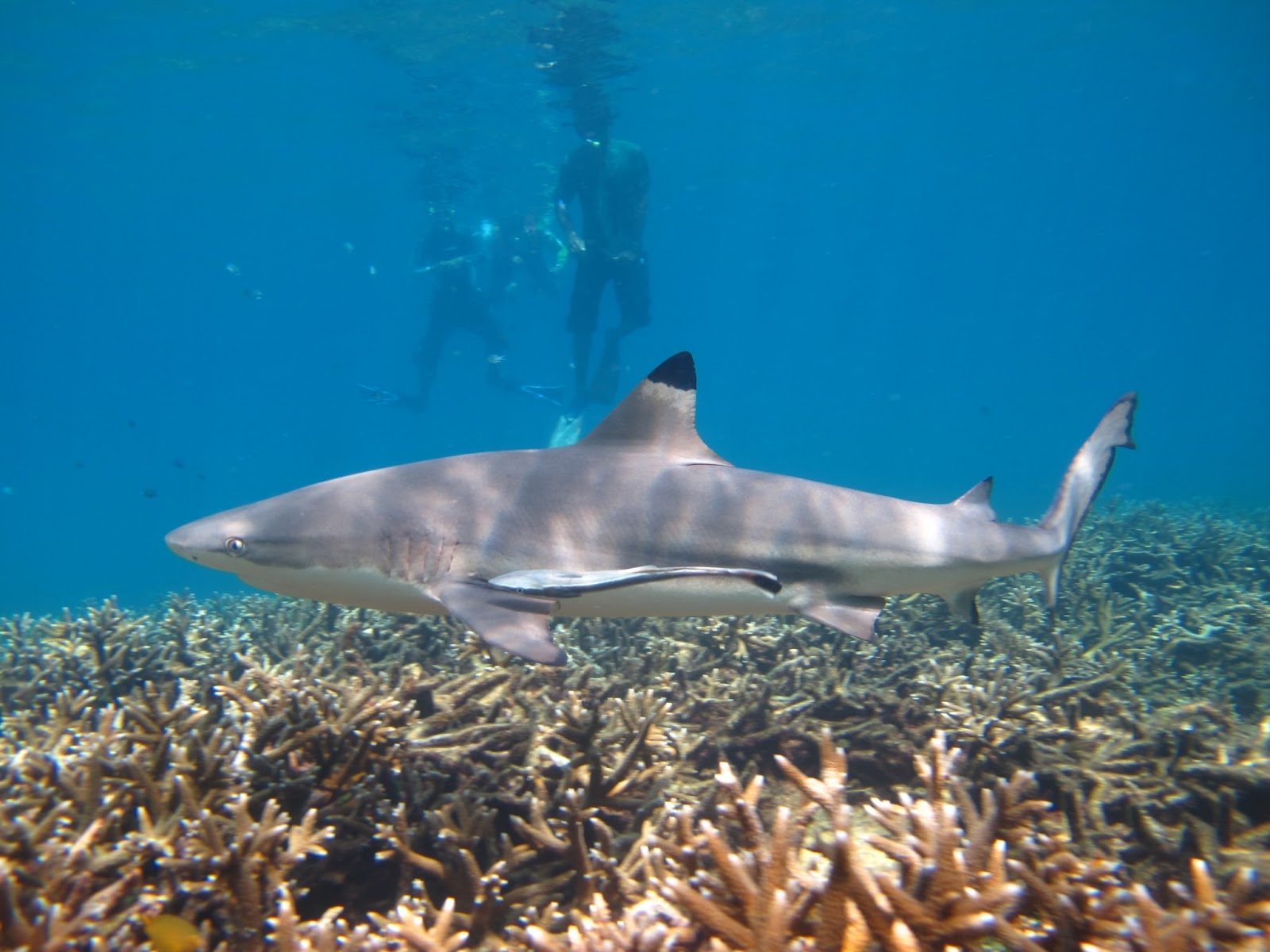
Named for the resident juvenile blacktip reef sharks often found patrolling the shallow sandy areas.
Remain calm and observe from a distance to avoid startling them.
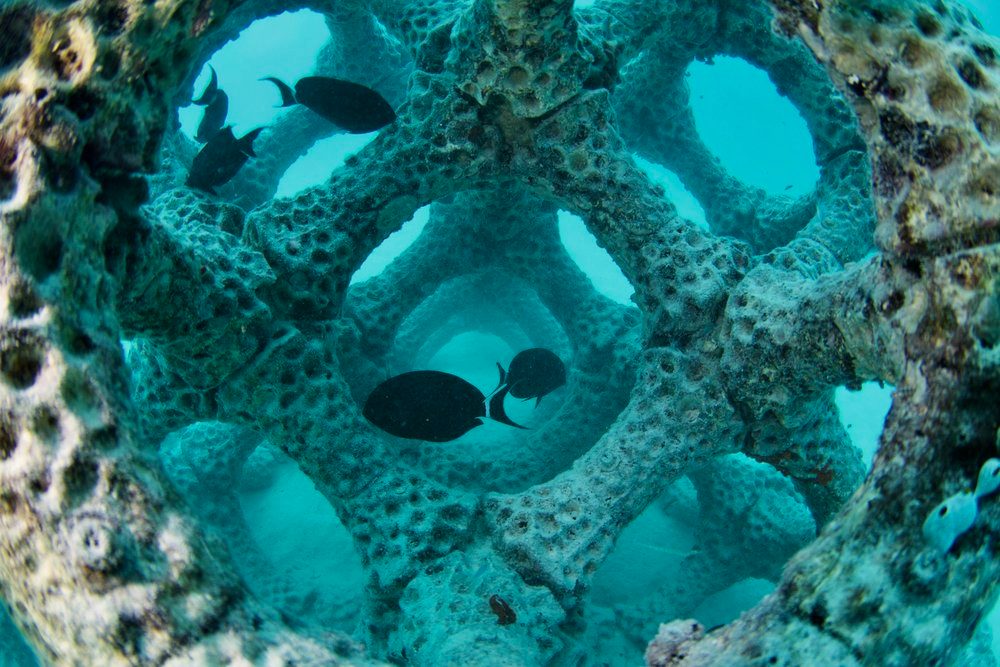
A collection of concrete structures designed to encourage coral growth and provide shelter for schooling fish.
Look for schools of fusiliers circling the submerged structures.
Pulau Payar Marine Park enforces strict conservation protocols to protect its fragile coral ecosystems and marine species. Following these guidelines preserves the park for future visitors and prevents reef damage.
Everything you need to know about snorkeling langkawi pulau payar
Pulau Payar Marine Park offers a protected aquatic environment where visitors can observe diverse coral reefs and tropical marine life. Engaging in snorkeling langkawi pulau payar provides an opportunity to swim in clear waters near Pulau Dangli and surrounding areas. This destination is well-regarded for its status as a sheltered habitat for reef sharks and schooling fish.
The best arrival window is 09:00–11:00 to ensure optimal lighting for coral visibility before afternoon tidal changes. Planning your trip within this timeframe helps you avoid peak crowds while maximizing underwater clarity. Reliable weather conditions are key for a successful excursion to the reef.
Yes, there is a Marine Parks Malaysia conservation charge of 30 MYR per adult. This fee supports the preservation and maintenance of the local marine ecosystem. Please ensure you have the required funds available upon entry to the park.
No, the park is closed on Tuesdays. You should plan your visit during the designated opening hours from Monday, Wednesday, Thursday, Friday, Saturday, and Sunday, between 09:00 and 15:30. Checking the schedule beforehand ensures you do not arrive during the weekly closure.
You should bring sunscreen, a towel, a change of clothes, and underwater cameras to capture the marine biodiversity. It is also helpful to have your own snorkeling gear, although equipment is often available through various local excursion providers. Staying hydrated is important, so carry sufficient drinking water for the duration of your stay.
While there are no specific age bans, children should be supervised by guardians at all times due to the open water environment. Life jackets are usually provided by tour operators to ensure safety for swimmers of all experience levels. Always follow the instructions of your guides to maintain a safe and respectful distance from the coral formations.
Best Snorkeling Spots in Langkawi
Read more GuideIs it Safe to Swim and Snorkel in Langkawi?
Read more GuideSnorkeling at Pantai Cenang
Read more GuideTop Langkawi Snorkeling Beaches
Read more Tickets & toursLangkawi Snorkeling Packages & Prices
Read more Tickets & toursPrivate Snorkeling Tours in Langkawi
Read more